

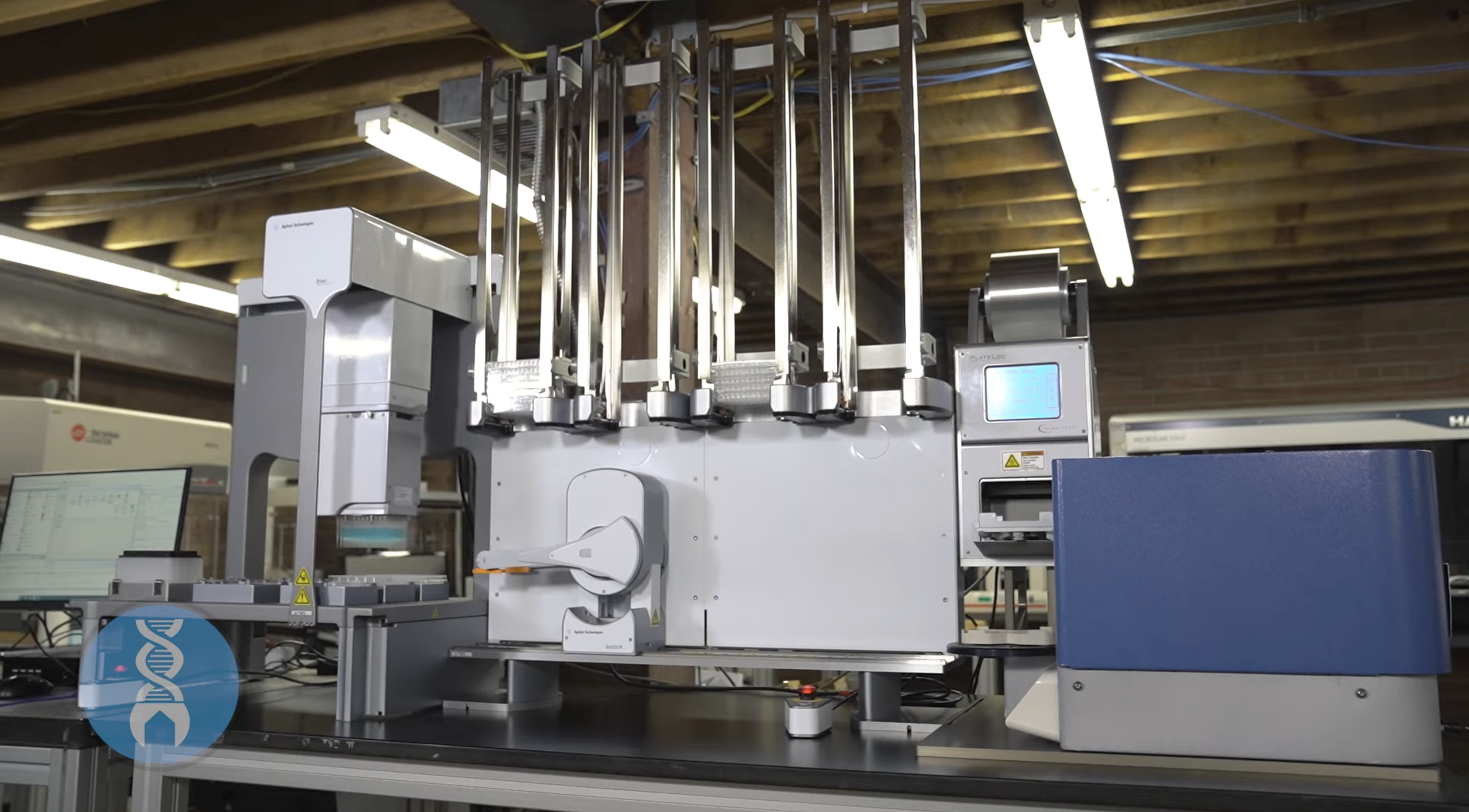
What We See Most Often When Automation Goes Down
When a piece of lab automation fails, it can feel sudden. A liquid handler stops mid-run. A microplate labeler produces inconsistent output. A system that worked yesterday no longer performs the way it should today.
But in most cases, these failures are not as sudden as they seem.
At DCM BioServices, we spend a lot of time working directly with laboratory automation systems across different manufacturers and environments. Over time, clear patterns emerge. The majority of service calls are not caused by catastrophic events. They are the result of small, gradual issues that go unnoticed until they interrupt a workflow.
Understanding these patterns can help labs shift from reacting to problems toward preventing them.
Wear and Tear That Goes Unchecked
Automation systems are mechanical. They rely on moving parts, seals, belts, and components that experience regular stress. Over time, these parts wear down.
What we often see is not a single failed component, but a system that has been operating with worn parts for longer than it should. Performance may slowly decline. Movements may become less precise. Small inconsistencies begin to appear.
Eventually, the system reaches a point where it can no longer compensate, and a failure occurs.
Regular inspection and replacement of wear components is one of the most effective ways to prevent this type of downtime.
Missed or Delayed Preventive Maintenance
Preventive maintenance is one of the most overlooked factors in automation reliability.
In busy lab environments, it’s easy to delay maintenance to keep instruments running. But skipping or postponing routine service often leads to larger issues later. Systems that are not cleaned, calibrated, or adjusted on a regular schedule are more likely to develop performance problems.
Many of the issues we see in the field could have been identified and resolved during a scheduled maintenance visit. Instead, they surface as unexpected downtime.
Small Issues That Turn Into Larger Problems
Another common pattern is the presence of minor issues that are not addressed early.
This might include slight misalignment, early signs of component fatigue, a strange noise during operation or small inconsistencies in performance. On their own, these issues may not stop the instrument from running. But over time, they place additional strain on the system.
As the system compensates, the problem grows. What could have been a simple adjustment or part replacement becomes a more complex repair.
Catching these issues early is often the difference between a quick fix and extended downtime.
Service Models That Are Purely Reactive
In many labs, service is approached on a break/fix basis. When something breaks, a service provider is called in to repair it.
While this approach can work in certain situations, it often means that systems are only evaluated after a failure has already occurred. There is little opportunity to identify risks in advance or plan maintenance around the lab’s schedule.
What we see most often in these environments is a cycle of reactive service. Issues are fixed as they arise, but the underlying causes are not always addressed in a proactive way.
A Different Way to Think About Downtime
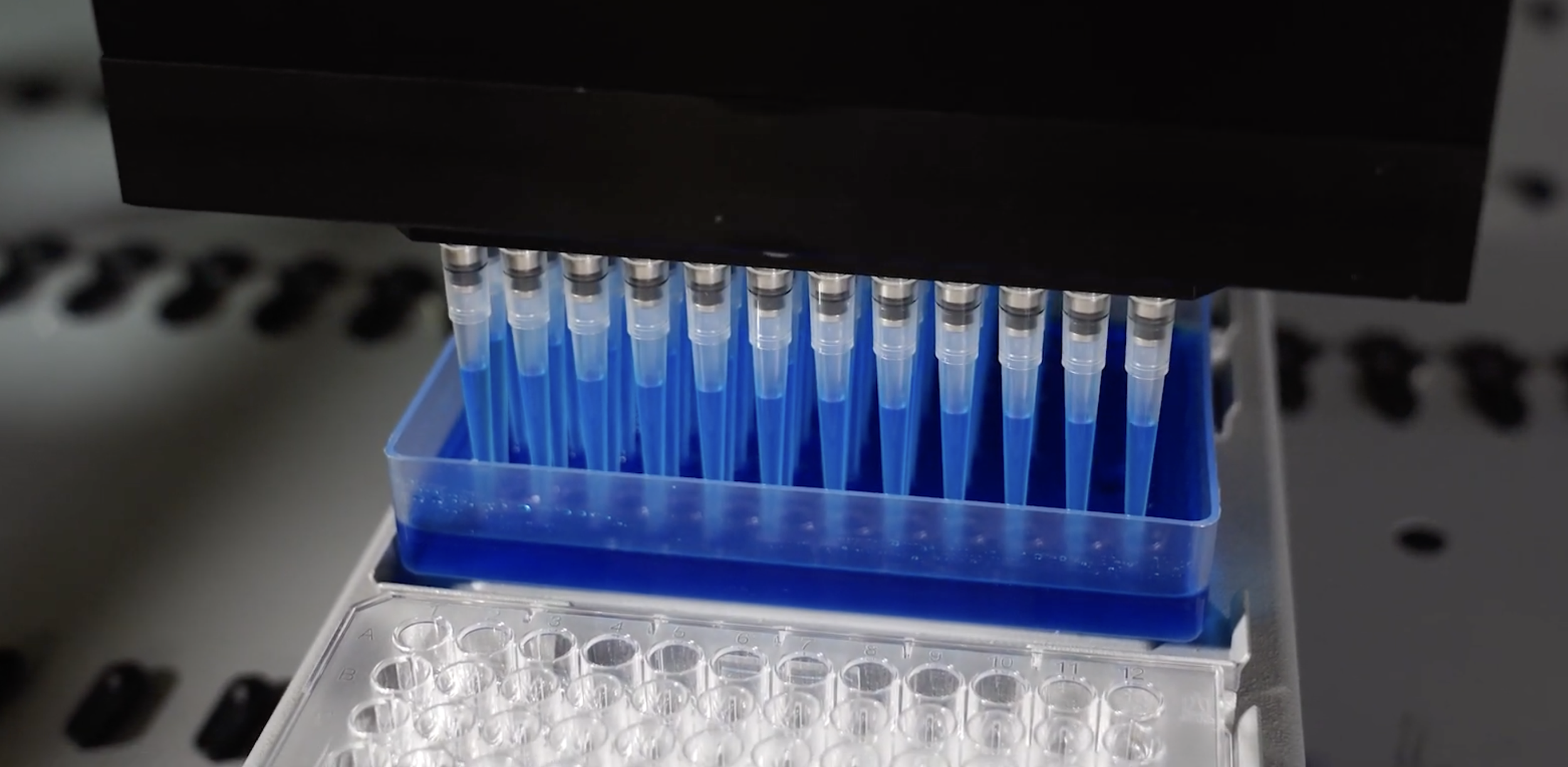
Downtime is not always avoidable, but much of it is predictable.
The patterns are consistent. Wear accumulates. Maintenance gets delayed. Small issues go unaddressed. Eventually, the system reaches a breaking point.
Labs that recognize these patterns can take a different approach. Instead of reacting to failures, they can focus on early detection, routine maintenance, and service strategies that support long-term reliability.
At DCM BioServices, we work with labs to identify these risks before they turn into disruptions. The goal is not just to fix what’s broken, but to help prevent the next failure from happening.
Because when automation is critical to your workflow, staying ahead of problems is what keeps everything moving.